
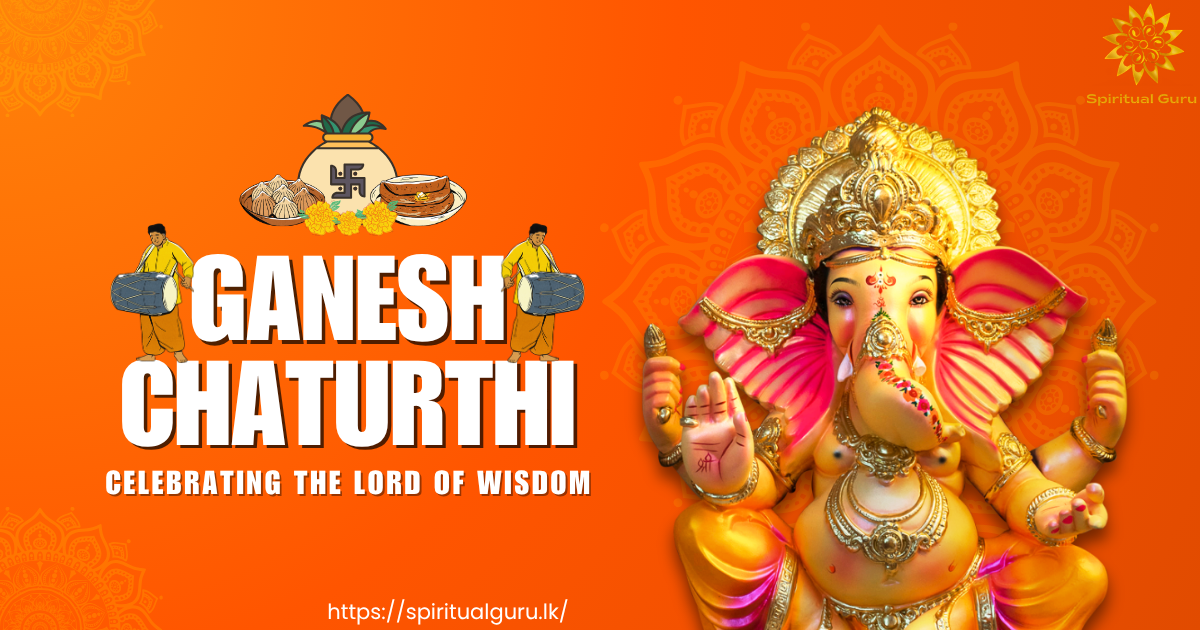
Ganesh Chaturthi, If you’re reading this, you’re probably getting ready to bring Lord Ganesh, Ganapathy, or Vinayagar (whatever name feels most familiar to your family) into your home or business for the festival. And you want to do it properly, without missing the small details that actually matter.
This guide walks you through everything: the meaning behind the rituals, exactly how to set up and perform the puja, what to do if you’re doing this at your shop or office instead of home, and the little things that even seasoned devotees sometimes forget.
Why Ganesh Chaturthi Matters So Much
Before we get into the “how,” it helps to understand the “why.” Ganesh Chaturthi celebrates the birth of Lord Ganesh the elephant-headed god of wisdom, prosperity, and new beginnings. He is worshipped first before any other deity in Hindu tradition, which is why you’ll notice his idol or image placed at the entrance of temples, homes, and even new businesses.
Scholars of Hindu religious practice note that Ganesh’s dual nature remover of obstacles (Vighnaharta) and lord of beginnings is precisely why devotees invoke him before starting anything new: a wedding, a business, a journey, or simply a new year. This is also why so many entrepreneurs specifically bring Ganapathy into their shops and offices during Chaturthi the belief is that his presence clears the path for growth and protects the venture from setbacks in the year ahead.
There’s something deeply comforting in that idea. Life throws obstacles at all of us in business, in family, in health. Ganesh Chaturthi isn’t just a ritual; it’s a reminder, once a year, that we have the power to face those obstacles with wisdom rather than fear.
When Is Ganesh Chaturthi Celebrated?
Ganesh Chaturthi falls on the fourth day (Chaturthi) of the bright fortnight (Shukla Paksha) in the Hindu month of Bhadrapada, usually landing between August and September depending on the lunar calendar. The festival traditionally lasts anywhere from 1.5 to 11 days, ending with Ganesh Visarjan the ceremonial immersion of the idol in water, symbolising his return to Kailash and the cycle of creation and dissolution.
For most home devotees, a simple one-day or three-day observance is common and completely acceptable. There’s no rule that says you need an eleven-day celebration to honour Ganesh properly sincerity matters far more than scale.
What You’ll Need: The Essential Puja Items
Getting your setup right before the day arrives saves you a lot of last-minute running around (trust me, I’ve been that person sprinting to three shops for a coconut). Here’s your checklist:
For the Idol and Altar
- A Ganesh idol or Vinayagar murti (clay, brass, or silver avoid plastic or non-biodegradable material if you plan to immerse it)
- A clean cloth or fresh banana leaf to place the idol on
- A small wooden platform or altar, elevated slightly from the floor
- A canopy or decorative backdrop (optional, but adds to the festive feel)
For the Ritual Itself
- Kumkum (vermillion), turmeric powder, and sandalwood paste
- Fresh flowers hibiscus and marigold are especially favoured for Ganapathy
- Durva grass (a specific type of sacred grass considered one of Ganesh’s favourite offerings)
- Betel leaves and areca nuts
- Camphor, incense sticks (agarbatti), and a diya or oil lamp
- Coconut, bananas, and modak or laddu (Ganesh’s favourite sweets)
- A bell for aarti
- Clean water in a kalash (pot) with mango leaves
If you’re setting this up for a business or shop, the same list applies just scale the offerings to a size that suits your space. A small, well-maintained altar in the corner of a shop counter can feel just as sacred as an elaborate home setup. What matters is the intention behind it.
Step-by-Step: How to Perform Ganesh Puja at Home
1. Purify the Space First
Before the idol even enters the house, clean the area thoroughly. In Hindu tradition, cleanliness isn’t just about hygiene it’s considered an extension of spiritual purity. Sprinkle a little Ganga jal (holy water) or plain clean water around the puja area if you have it.
2. Bring the Idol Home with Respect
Many families make this a small ceremony in itself carrying the Ganesh idol into the house to the sound of bells or devotional songs, welcoming him the way you’d welcome an honoured guest. Because that’s essentially what this is: an invitation.
3. Prana Pratishtha Invoking Life into the Idol
This is the step people often skip or rush, but it’s genuinely one of the most meaningful parts of the ritual. Prana Pratishtha is the ceremonial invocation that “awakens” the idol, inviting Ganesh’s presence into the murti. A priest usually performs this with mantras, but if you’re doing it yourself, a sincere chant of “Om Gan Ganapataye Namah” while offering flowers and rice works well for home settings.
4. Perform the Shodashopachara (16-Step Worship)
Traditional Ganesh puja involves sixteen steps of offering from washing his feet symbolically, to offering clothes, sacred thread, sandalwood paste, flowers, incense, and food. Don’t feel pressured to perform all sixteen with textbook precision. Even a simplified version offering flowers, lighting a lamp, applying kumkum, and presenting modak captures the spirit of the ritual.
5. Offer Modak His Favourite Sweet
No Ganesh puja feels complete without modak. Legend has it that Ganesh loves these sweet dumplings so much that he once ate 21 of them in one sitting during a celebration with his mother, Goddess Parvati which is why devotees traditionally offer 21 modaks during the puja. If you don’t have time to make them from scratch, even store-bought or simple laddu offerings are perfectly acceptable. The devotion behind the offering matters more than its complexity.
6. Chant the Aarti
Singing “Jai Ganesh Deva” or your family’s preferred aarti while ringing a bell and waving the camphor flame in front of the idol marks the emotional high point of the puja. This is the moment where the room usually falls into a kind of collective hush even kids who were running around moments earlier tend to stop and watch.
7. Distribute Prasad
Once the aarti is complete, the offered food (prasad) is distributed among family members, neighbours, or if you’re at a business your staff and customers. Sharing prasad is considered an extension of the blessing itself.
Worshipping Ganesh at Your Business or Shop
If you’re bringing Ganapathy into your workplace this year, the approach is largely the same, with a few practical adjustments:
- Placement matters. Position the idol facing the entrance or the main working area, ideally elevated and away from clutter, storage, or waste bins.
- Timing around business hours. Many shop owners perform a short puja before opening hours so the ritual doesn’t disrupt customer flow, followed by a brief aarti in the evening.
- Involve your team. Inviting employees to participate even just for the aarti builds a sense of shared purpose and goodwill, something small business owners often tell me makes a noticeable difference to morale during the festival period.
I’ve spoken to several shop owners who’ve kept this practice going for decades, and a common thread comes up again and again: it’s less about superstition and more about pausing, as a team, to set an intention for the months ahead.
Common Mistakes to Avoid
Even devoted families slip up sometimes. A few things worth double-checking:
- Using non-biodegradable idols if you plan to immerse them in natural water bodies this has become a genuinely serious environmental concern, and many cities now request eco-friendly clay idols specifically for this reason.
- Rushing the invocation step. It’s tempting to skip straight to the aarti, but the Prana Pratishtha sets the tone for the entire puja.
- Forgetting Durva grass. It’s a small detail, but it’s considered one of Ganesh’s most cherished offerings don’t let it slip off your shopping list.
- Placing the idol incorrectly. Traditionally, the idol should never face south or be placed directly on the bare floor without a cloth or platform beneath it.
A Word on Eco-Friendly Celebrations
This is worth addressing honestly, because it’s a genuine point of debate within the community. Environmental researchers have raised concerns for years about the impact of Plaster of Paris idols and chemical paints on rivers, lakes, and marine life during mass immersion events. Many temples and cultural organisations have responded by promoting clay idols, natural dyes, and even symbolic immersion in a bucket of water at home followed by using that water for household plants.
Some traditionalists argue that ritual authenticity should take precedence over modern environmental concerns. Others believe devotion and environmental responsibility aren’t in conflict at all that honouring a deity associated with nature and balance should naturally include caring for the environment he’s worshipped in. There’s no single “correct” answer here, but it’s worth thinking through what feels right for your family or business.
Bringing It All Together
At its heart, Ganesh Chaturthi isn’t about perfection. It’s not about having the most elaborate altar on the street or performing every one of the sixteen rituals flawlessly. It’s about creating a pause a moment where a home or business consciously invites in wisdom, patience, and the courage to face whatever obstacles the year ahead holds.
Whether you’re setting up a small Ganapathy idol on your work desk or organising a full home puja with family gathered around, what matters most is the sincerity you bring to it. Light the lamp, offer the modak, ring the bell and let Lord Ganesh’s presence set the tone for a year of clarity and new beginnings.
Ganpati Bappa Morya.
Leave a comment