
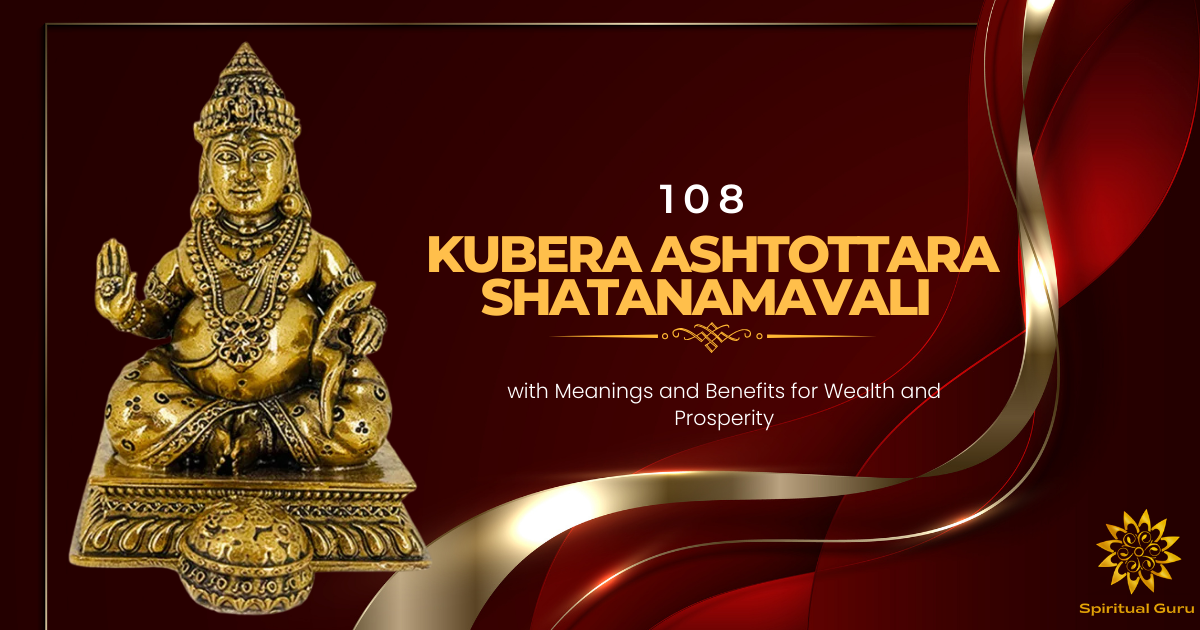
Are you seeking financial stability, abundance, and spiritual growth? In Hindu tradition, Lord Kubera, the god of wealth and treasurer of the gods, is revered for bestowing prosperity and removing obstacles to riches. The Kubera Ashtottara Shatanamavali, also known as the 108 names of Lord Kubera, is a powerful chant that invokes his blessings. This sacred list, chanted during pujas or daily rituals, is believed to attract wealth, success, and harmony.
In this comprehensive guide, we’ll explore the full 108 names of Kubera in transliteration, along with their meanings. We’ll also delve into the profound benefits of chanting this stotra, making it an essential read for anyone interested in Hindu mantras for wealth. Whether you’re preparing for Diwali rituals or simply aiming to enhance your financial well-being, this post on spiritualguru.lk will provide valuable insights.
Understanding Kubera Ashtottara Shatanamavali
The term “Ashtottara Shatanamavali” translates to “a garland of 108 names.” Each name highlights a unique attribute of Lord Kubera, from his role as the king of Yakshas to his guardianship over treasures. Chanting these names is a form of devotion that aligns your energy with abundance. Derived from ancient scriptures, this list is often recited with devotion to please Kubera and Goddess Lakshmi, his divine consort.
The 108 Names of Lord Kubera with Meanings
Below is the complete list of Kubera’s 108 names, presented in a clear table for easy reference. Each entry includes the transliterated name and its English meaning, helping you understand the deeper significance. Chant them slowly, focusing on pronunciation, for maximum spiritual impact.
| No. | Transliteration | Meaning |
|---|---|---|
| 1 | kubērāya | Lord Kubera |
| 2 | dhanadāya | Lord of wealth |
| 3 | śrīmatē | Auspicious one |
| 4 | yakṣēśāya | Lord of Yakshas |
| 5 | guhyakēśvarāya | Lord of Guhyakas |
| 6 | nidhīśāya | Lord of treasures |
| 7 | śaṅkarasakhāya | Friend of Shiva |
| 8 | mahālakṣmīnivāsabhuvē | Abode of Mahalakshmi |
| 9 | mahāpadmanidhīśāya | Lord of the great lotus treasure |
| 10 | pūrṇāya | Complete |
| 11 | padmanidhīśvarāya | Lord of the lotus treasure |
| 12 | śaṅkhākhyanidhināthāya | Master of the conch-named treasure |
| 13 | makarākhyanidhipriyāya | Beloved of the makara-named treasure |
| 14 | sukacchapanidhīśāya | Lord of the conch treasure |
| 15 | mukundanidhināyakāya | Leader of the blue treasure |
| 16 | kundākhyanidhināthāya | Master of the kundaka treasure |
| 17 | nīlanidhyadhipāya | Lord of the blue treasure |
| 18 | mahatē | Great one |
| 19 | kharvanidhyadhipāya | Lord of the kharva treasure |
| 20 | pūjyāya | Worshipful one |
| 21 | lakṣmisāmrājyadāyakāya | Giver of Lakshmi’s kingdom |
| 22 | ilāviḍāputrāya | Son of Ilavida |
| 23 | kōśādhīśāya | Lord of the treasury |
| 24 | kulādhīśāya | Lord of families |
| 25 | aśvārūḍhāya | Mounted on a horse |
| 26 | viśvavandyāya | Universally worshipped |
| 27 | viśēṣajñāya | Knower of the special |
| 28 | viśāradāya | Skilled one |
| 29 | nalakūbaranāthāya | Lord of Nalakuvara |
| 30 | maṇigrīvapitrē | Father of Manigriva |
| 31 | gūḍhamantrāya | Possessor of secret mantras |
| 32 | vaiśravaṇāya | Son of Vaisravana |
| 33 | citralēkhāmanaḥpriyāya | Mind pleasing to Citralekha |
| 34 | ēkapiñchāya | Single-tufted one |
| 35 | alakādhīśāya | Lord of Alaka |
| 36 | paulastyāya | Descendant of Paulasti |
| 37 | naravāhanāya | Vehicle is a man |
| 38 | kailāsaśailanilayāya | Dweller in Kailasa mountain |
| 39 | rājyadāya | Giver of kingdom |
| 40 | rāvaṇāgrajāya | Elder brother of Ravana |
| 41 | citracaitrarathāya | Charioteer of Citrachitra |
| 42 | udyānavihārāya | One who enjoys gardens |
| 43 | vihārasukutūhalāya | Delighted in pleasant abodes |
| 44 | mahōtsāhāya | Greatly enthusiastic |
| 45 | mahāprājñāya | Highly intelligent |
| 46 | sadāpuṣpakavāhanāya | Always with Pushpaka vehicle |
| 47 | sārvabhaumāya | Ruler of all |
| 48 | aṅganāthāya | Lord of the harem |
| 49 | sōmāya | Moon-like |
| 50 | saumyādikēśvarāya | Gentle lord of beginnings |
| 51 | puṇyātmanē | Virtuous soul |
| 52 | puruhūta śriyai | Frequently invoked prosperity |
| 53 | sarvapuṇyajanēśvarāya | Lord of all virtuous people |
| 54 | nityakīrtayē | Ever praised |
| 55 | nidhivētrē | Protector of treasures |
| 56 | laṅkāprākdhananāyakāya | Leader of Lanka’s ancient wealth |
| 57 | yakṣiṇīvr̥tāya | Surrounded by Yakshinis |
| 58 | yakṣāya | Yaksha |
| 59 | paramaśāntātmanē | Supreme peace of mind |
| 60 | yakṣarājāya | King of Yakshas |
| 61 | yakṣiṇī hr̥dayāya | Heart of the Yakshini |
| 62 | kinnarēśvarāya | Lord of Kinnaras |
| 63 | kimpuruṣanāthāya | Lord of Kimnaras |
| 64 | nāthāya | Protector |
| 65 | khaḍgāyudhāya | Armed with a sword |
| 66 | vaśinē | Controller |
| 67 | īśānadakṣapārśvasthāya | On the right side of Ishana |
| 68 | vāyuvāmasamāśrayāya | Sheltered by Vayu on the left |
| 69 | dharmamārgaikaniratāya | Solely devoted to the path of righteousness |
| 70 | dharmasammukhasaṁsthitāya | Established in front of dharma |
| 71 | vittēśvarāya | Lord of wealth |
| 72 | dhanādhyakṣāya | Superintendent of wealth |
| 73 | aṣṭalakṣmyāśritālayāya | Abode of the eight Lakshmis |
| 74 | manuṣyadharmiṇē | Possessor of human virtues |
| 75 | satkr̥tāya | One who is always worshipped |
| 76 | kōśalakṣmī samāśritāya | Sheltered by Koshalakshmi |
| 77 | dhanalakṣmī nityanivāsāya | Eternal abode of Dhanalakshmi |
| 78 | dhānyalakṣmī nivāsabhuvē | Dwelling place of Dhanyalakshmi |
| 79 | aṣṭalakṣmī sadāvāsāya | Permanent residence of the eight Lakshmis |
| 80 | gajalakṣmī sthirālayāya | Stable abode of Gajalakshmi |
| 81 | rājyalakṣmī janmagēhāya | Birth place of Rajyalakshmi |
| 82 | dhairyalakṣmī kr̥pāśrayāya | Refuge of mercy of Dhairyalakshmi |
| 83 | akhaṇḍaiśvarya samyuktāya | Endowed with unbroken prosperity |
| 84 | nityānandāya | Ever joyful |
| 85 | sāgarāśrayāya | Refuge of the ocean |
| 86 | nityatr̥ptāya | Always satisfied |
| 87 | nidhidhātrē | Giver of treasures |
| 88 | nirāśrayāya | Without support |
| 89 | nirupadravāya | Without trouble |
| 90 | nityakāmāya | Ever desiring |
| 91 | nirākāṅkṣāya | Without desire |
| 92 | nirupādhikavāsabhuvē | Abode without attributes |
| 93 | śāntāya | Peaceful |
| 94 | sarvaguṇōpētāya | Endowed with all virtues |
| 95 | sarvajñāya | Omniscient |
| 96 | sarvasammatāya | Universally approved |
| 97 | sarvāṇikaruṇāpātrāya | Object of compassion for all |
| 98 | sadānandakr̥pālayāya | Abode of eternal bliss and compassion |
| 99 | gandharvakulasaṁsēvyāya | Served by the Gandharva clan |
| 100 | saugandhikakusumapriyāya | Fond of the saugandhika flower |
| 101 | svarṇanagarīvāsāya | Dweller in the city of gold |
| 102 | nidhipīṭhasamāśrayāya | Sheltered by the treasure throne |
| 103 | mahāmērūttarasthāyinē | Located north of Mahameru |
| 104 | maharṣigaṇasaṁstutāya | Praised by the great sages |
| 105 | tuṣṭāya | Satisfied |
| 106 | śūrpaṇakhā jyēṣṭhāya | Elder brother of Shurpanakha |
| 107 | śivapūjāratāya | Devoted to Shiva worship |
| 108 | anaghāya | Sinless |
These names encapsulate Kubera’s divine qualities, from his mastery over treasures to his devotion to dharma.
Benefits of Chanting Kubera Ashtottara Shatanamavali
Chanting the 108 names of Lord Kubera is more than a ritual it’s a pathway to material and spiritual prosperity. According to Vedic traditions, regular recitation can transform your financial life. Here are some key benefits:
- Attracts Wealth and Abundance: Invokes Kubera’s blessings to increase income, business success, and unexpected gains, helping overcome financial hurdles.
- Removes Debts and Obstacles: Clears financial debts, legal issues, and blockages, promoting stability and growth in savings.
- Enhances Inner Peace and Wisdom: Fosters a mindset of gratitude, sharpens judgment for wise investments, and brings mental clarity.
- Promotes Overall Prosperity: Blesses with good fortune, health, and family harmony, aligning you with the energies of Lakshmi and Kubera.
- Spiritual Growth: Builds discipline, devotion, and protection from losses, leading to long-term affluence and contentment.
For best results, chant during Brahma Muhurta (early morning) or on Fridays, facing north. Combine with offerings like fruits or a Kubera Yantra for amplified effects.
How to Incorporate This into Your Daily Routine
Start with a simple puja: Light a lamp, offer incense, and recite the names 108 times using a mala. Over time, you’ll notice positive shifts in your finances and mindset. This practice is especially potent during festivals like Dhanteras.
Embracing the Kubera Ashtottara Shatanamavali can be a game-changer for your journey toward wealth and spiritual enlightenment. Share your experiences in the comments below, and stay tuned to spiritualguru.lk for more Hindu mantras and rituals!


Leave a comment