
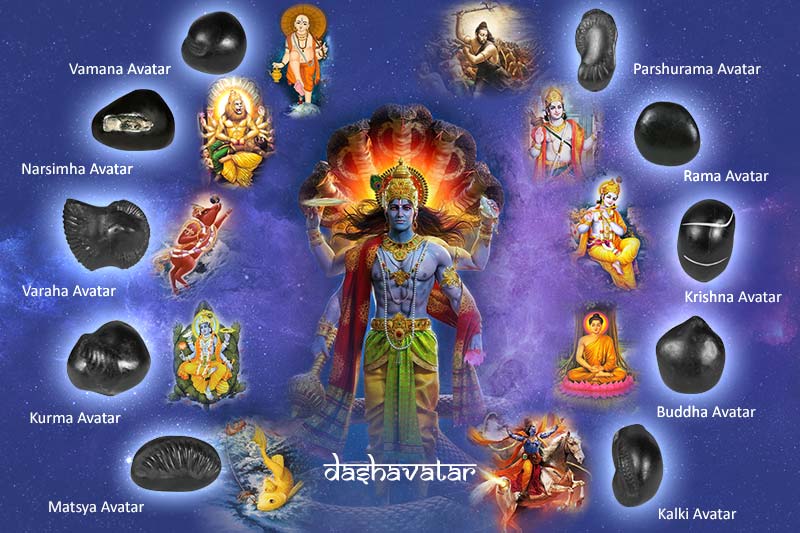
Shaligram worship is one of the oldest devotional traditions in Vaishnavism a sacred practice that unites the heart of the devotee with Lord Vishnu and Lakshmi in their highest form. This ultimate guide will walk you through everything you need to know from first-time installation and daily rituals to deep spiritual meaning and benefits.
Understanding Shaligram Basics
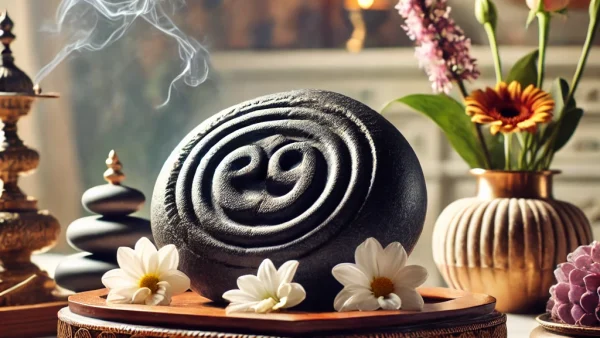
Shaligram stones are sacred fossils from Nepal’s Gandaki River, revered as forms of Lord Vishnu. They don’t need formal consecration and can be worshipped at home to invite divine blessings. Start with one authentic stone, verified by natural chakra markings.
Essential Materials
Gather simple items like Ganga jal, Tulsi leaves, sandalwood paste, incense, a lamp, and fruits. Avoid red flowers or sindoor to respect Vishnu’s preferences.
Basic Step-by-Step Instructions
- Prepare Yourself and Space: Wake early, bathe, wear clean clothes, and face east or north. Clean the altar.
- Purify the Shaligram: Wash with Ganga jal using a conch, or water if unavailable.
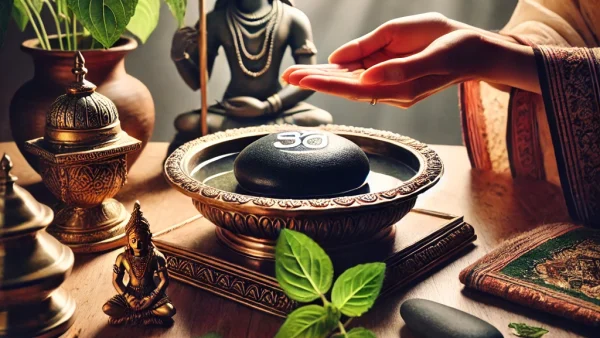
- Adorn and Offer: Apply sandalwood, place Tulsi leaves, light incense and lamp.
- Perform Aarti and Mantras: Circle the lamp while chanting “Om Namo Bhagavate Vasudevaya” or similar.
- Conclude with Offerings: Present fruits or sweets, meditate, and seek blessings.
For daily practice, this takes 15-30 minutes. Consult experts for authenticity.
Potential Benefits and Considerations
Devotees report improved well-being and protection, supported by Puranic texts, but modern views emphasize psychological comfort. Approach with respect for varying beliefs, noting that while many find spiritual solace, others see it as cultural tradition.
Worshipping Shaligram, a sacred stone embodying Lord Vishnu, has been a cornerstone of Hindu devotional practices for centuries, drawing from ancient texts like the Puranas and Skanda Purana. This ultimate guide synthesizes insights from traditional sources, offering a balanced exploration of rituals, historical context, practical steps, and nuanced perspectives. Whether you’re a beginner seeking simplicity or an experienced devotee aiming for depth, these instructions aim to foster a meaningful connection with the divine, while acknowledging that spiritual benefits are deeply personal and influenced by intent.
Historical and Spiritual Context
Shaligrams originate from the Kali Gandaki River in Nepal, where ammonite fossils are naturally formed and revered as “Sakshat Vishnu Swaroop” the direct manifestation of Vishnu. According to the Brahmavaivarta Purana, where a Shaligram is worshipped with Tulsi (symbolizing Lakshmi), both deities reside, bringing harmony and abundance. Historical references in Vedic scriptures highlight their role in promoting dharma, with legends linking them to Vishnu’s avatars like Matsya or Narasimha. In modern times, amid environmental concerns like river erosion due to climate change, ethical sourcing from reputable vendors is emphasized to preserve this tradition for future generations.
While many embrace Shaligrams for spiritual elevation, alternative views from geologists see them as 100-million-year-old fossils, blending science with faith. This doesn’t diminish devotion; instead, it invites a holistic appreciation, where the stone’s natural origins underscore divine creation.
Preparation for Worship
Begin by cultivating inner and outer purity, as emphasized in ISKCON guidelines: “Cleanliness of mind, soul, and the place where Shaligram is installed is pivotal.” Wake up early, take a bath, and wear fresh clothes. Choose a clean altar facing east or northeast, symbolizing positive energy flow. If installing multiple Shaligrams, use even numbers (e.g., 2, 4, or 12) to create a “Divya Desham” a divine abode. For travel or absence, immerse the stone in Ganga jal mixed with water in a copper vessel.
Required Materials
Essential items vary slightly by tradition but focus on purity and symbolism. Here’s a comparative table from key sources:
| Material | Purpose | Sources Recommending It | Alternatives if Unavailable |
|---|---|---|---|
| Ganga Jal | Purification and bathing | All sources | Plain water |
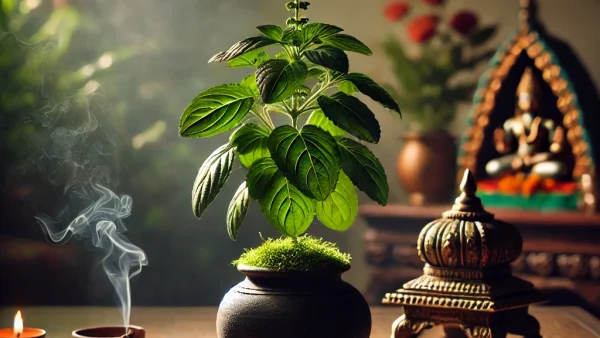
| Tulsi Leaves | Essential offering to Vishnu-Lakshmi | All sources | None; crucial element |
| Sandalwood Paste/OIL | Adornment and fragrance | All sources | Marikolunthu oil |
| Incense & Lamp | Aarti and invoking positivity | All sources | Camphor substitute |
| Fruits/Sweets | Naivedya (food offerings) | All sources | Milk or water |
| Conch Shell | Pouring water during abhishekam | Multiple | Spoon |
| Panchagavya | Advanced purification | Select sources | Skip or use panchamrit |
| Yellow Cloth/Janeu | Decoration | Beginner guides | Optional |
Restricted items include red flowers, sindoor, or rice grains, as they are associated with other deities and may disrupt Vishnu’s energy.
Detailed Pooja Vidhi: Step-by-Step
The ritual, or vidhi, balances simplicity for beginners (15-30 minutes) with elaborate Shodashopachara (16 steps) for depth. Draw from Rudraksha Ratna’s comprehensive approach: “Worship Shaligram for six values of life: Righteous living, Wealth, Protection, good health, pleasures and Spiritual.”
- Purification (Pavitrikaran): Sprinkle Ganga jal over yourself and items while chanting “Om Apavitrah Pavitro Va…”. This sets a sacred tone.
- Invocation (Avahanam): Meditate on Vishnu, chanting “Om Namo Bhagavate Vasudevaya” to invite divine presence.
- Bathing (Abhishekam/Snanam): Wash the Shaligram with Ganga jal or panchamrit using your right hand. Dry gently with a towel.
- Adornment (Sringar): Apply sandalwood tilak, yellow cloth, janeu (optional), and flowers. Place Tulsi leaves prominently.
- Offerings (Upachara): Present incense (dhoop), lamp (deepam), fruits, sweets, and water. Chant mantras like “Hare Krishna” nine times or Vishnu Sahasranama.
- Aarti: Light camphor or ghee lamp, circle clockwise, and ring a bell if available.
- Naivedya and Tambulam: Offer food and betel leaves, then consume prasad.
- Pradakshina and Namaskar: Circumambulate three times and bow in reverence.
- Meditation and Closing: Meditate, confess any shortcomings, and chant closing mantras like “Kayena Vacha…”.
For advanced practitioners, incorporate pranayama and guru dhyanam. A hypothetical scenario: During festivals like Ekadashi, extend with full Shodashopachara for amplified merit.
Dos and Don’ts
Do: Maintain daily consistency, use even numbers for multiple stones, drink the bathing water as amrit for health. Don’t: Use red items, neglect purity, or worship with insincere motives. Address counterarguments: Some minimalists argue elaborate materials aren’t essential, prioritizing bhakti (devotion) over form, as per Padma Purana: Even the lowest can attain elevation through worship.
Benefits and Real-Life Insights
Puranas promise protection from evils, prosperity, and moksha (liberation). For instance, Skanda Purana states everyone, including women and lower castes, can worship for eternal abode. Real-life: Families report obstacle removal and health improvements, though scientific perspectives attribute this to mindfulness. Potential outcomes: Consistent practice likely fosters positivity (high likelihood), but without devotion, effects may be limited (medium likelihood).
Variations and Future Projections
Beginner variation: Skip panchagavya for simple water baths. Advanced: Include Tulsi Vivah ceremonies. Looking ahead, digital apps may guide rituals, but traditionalists warn against diluting authenticity. Cross-referencing with related practices like Tulsi worship refines the experience, ensuring a layered spiritual journey.
In essence, Shaligram worship bridges past sanctity with present mindfulness, inviting Vishnu’s grace while respecting diverse viewpoints.
Leave a comment