
At spiritualguru.lk, we journey together toward the divine light of Lord Shiva the destroyer of ignorance, the embodiment of pure consciousness, and the ultimate source of liberation (moksha). Today, we delve deeply into one of Hinduism’s most revered scriptures: the Shiva Purana (Śivapurāṇa or Śivamahāpurāṇa). This is not merely an ancient text; it is a living ocean of devotion (bhakti), knowledge (jnana), ritual (kriya), and esoteric practice that guides millions toward union with Shiva.
Whether you are a householder performing daily abhishekam at home, a yogi meditating on the inner linga, or a Sri Lankan devotee at sacred sites like Koneswaram or Munneswaram, the Shiva Purana offers timeless wisdom tailored for every soul. In this complete, detailed blog, we explore what the Shiva Purana is, its structure, profound stories, and as requested a comprehensive focus on all key mantras, tantric elements, related scriptures, Agamas, and sacred writings within or connected to it.
What is the Shiva Purana?
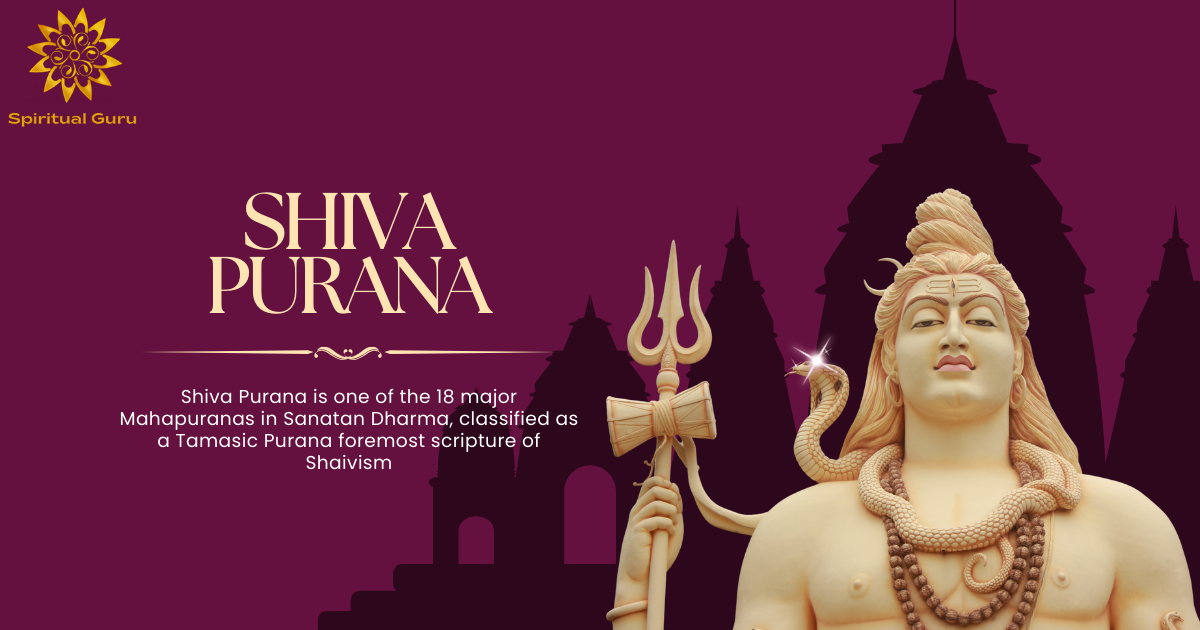
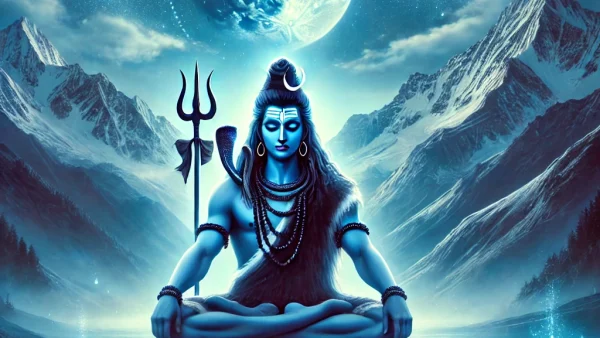
The Shiva Purana is one of the 18 major Mahapuranas in Sanatan Dharma, classified as a Tamasic Purana (emphasizing dissolution and transformation) and the foremost scripture of Shaivism. It glorifies Lord Shiva as the Supreme Brahman both saguna (with form, as the ascetic, dancer, and householder) and nirguna (formless consciousness).
It revolves around Shiva and Parvati (Shakti), yet reveres all deities, showing the harmony of the Hindu pantheon. The text blends:
- Mythology and cosmology
- Ethics and dharma
- Yoga and meditation
- Pilgrimage (tirtha) sites
- Temple worship and rituals
Core Message: Shiva is the Atman within all beings. Through devotion, knowledge, and proper worship, one dissolves ego and attains sayujya (complete union with Shiva).
The Purana itself declares it was originally 100,000 verses in 12 Samhitas, composed by Sage Vyasa and taught to Romaharshana (Suta). Vyasa abridged it to 24,000 verses for the benefit of humanity in Kali Yuga. Surviving manuscripts date from the 10th–11th centuries CE onward, with regional variations (South Indian 7-Samhita version being most common).
Origins, Composition, and Versions
- Authorship: Attributed to Vyasa (Krishna Dvaipayana), who organized Vedic knowledge.
- Dating: Core content likely 10th–14th centuries CE, with later additions.
- Versions:
- 7-Samhita (most popular, ~457 chapters).
- 6-Samhita or Bengal-style (Purva-Khanda & Uttara-Khanda).
- Some manuscripts link parts to Vayu Purana (older text).
It is a “living scripture” edited, recited, and interpreted across generations, especially during Shivaratri, Pradosha, and temple festivals.
Structure: The Seven Samhitas
The standard 7-Samhita version (based on the 1906 Kashi manuscript and English translations like J.L. Shastri/Motilal Banarsidass) is:
- Vidyeśvara Saṃhitā (25 chapters) Foundation of worship. Explains linga greatness, battle between Brahma & Vishnu (revealing Shiva as infinite Jyotirlinga), pañcakṛtya (Shiva’s five cosmic acts: creation, preservation, destruction, concealment, grace), and basic rituals.
- Rudra Saṃhitā (197 chapters, divided into 5 Khandas: Sṛṣṭi, Satī, Pārvatī, Kumāra, Yuddha) The heart of the Purana. Narrates creation, Sati’s story, Parvati’s penance & marriage, birth of Ganesha & Kartikeya, and epic battles (Tripurasura, Jalandhara, Andhaka, Shankhachuda).
- Śatarudra Saṃhitā (42 chapters) Shiva’s 100+ incarnations (including Sharabha, Nrisimha, Kirata) and Jyotirlingas.
- Koṭirudra Saṃhitā (43 chapters) Glory of Jyotirlingas (Somnath to Rameshwaram), Shiva Sahasranama, and Shivaratri rites.
- Umā Saṃhitā (51 chapters) Parvati’s teachings on dharma, sins/hells, creation cycles (manvantaras), and special mantras.
- Kailāsa Saṃhitā (23 chapters) Sannyasa rules, nyasa (energy placement), mental worship, Praṇava (Om) interpretation, and Advaita philosophy.
- Vāyavīya Saṃhitā (76 chapters, Purva & Uttara Bhaga) Shaiva initiation (diksha), daily/occasional rituals, Pashupata vrata, yoga obstacles, and five-syllabled mantra glory.
Lost Samhitas (original 12): Vainayaka, Matri, Rudraikadasha, Sahasrakotirudra, Dharma (some merged or preserved elsewhere).
Key Mythological Stories & Philosophical Teachings
- Jyotirlinga Emergence: Brahma & Vishnu argue supremacy; Shiva appears as infinite pillar of light – proving He is beyond form.
- Sati & Daksha Yagna: Sati’s self-immolation leads to destruction by Virabhadra; teaches detachment and power of devotion.
- Parvati’s Tapas & Marriage: Union of Shiva-Shakti symbolizes cosmic balance (Ardhanarishvara).
- Destruction of Tripura: Triumph of divine knowledge over ego.
- Philosophy: Strong Shaiva-Advaita Shiva as sat-chit-ananda (existence-consciousness-bliss). Plurality is maya; bhakti + jnana = moksha. Guru is essential. Yoga progresses from karma to jnana-yajna.
All Major Mantras in the Shiva Purana (With Meanings & Practice)
The Purana is a treasure-house of sound vibration (nada). Key mantras are chanted during linga puja, abhishekam, and homa.
- Pañcākṣarī Mantra (Five-Syllabled) The Supreme MantraOm Namah Śivāya (ॐ नमः शिवाय)
- Syllables: Na (Earth), Ma (Water), Śi (Fire), Vā (Air), Ya (Ether).
- Meaning: “I bow to Shiva” / “Salutations to the Auspicious One.”
- Glory: Taught by Shiva Himself. Destroys sins, grants siddhis, leads to moksha. Recite 108× daily or during Rudrabhishekam. In Vidyeśvara & Vāyavīya Saṃhitās, it is the core of all worship.
- Praṇava / Oṃkāra Mantra (Om)
- Interpreted in Kailāsa Saṃhitā as Shiva’s essence (A-U-M + bindu + nada). Boat to cross samsara. Used in all initiations.
- Rudra MantraOm Namo Bhagavate Rudrāya (ॐ नमो भगवते रुद्राय)
- Fulfills wishes, removes obstacles.
- Maha Mrityunjaya Mantra (Associated strongly in Shaiva practice) Om Tryambakam Yajamahe Sugandhim Pushtivardhanam | Urvarukamiva Bandhanan Mrityor Mukshiya Maamritat
- From Rigveda, glorified in Purana for healing and immortality.
- Śiva Sahasranāma (1,000 Names) In Koṭirudra Saṃhitā. Recited for protection and merit.
- Other Hymns & Mantras
- Lingashtakam (8-verse hymn to Linga).
- Hymns to Durga (in Satī Khanda).
- Ekadasha Rudra Mantras (11 forms for Maha Rudra Yagna).
- Special Umā Saṃhitā mantra for specific fruits.
Practice Tip: Always begin with Guru diksha. Chant with rudraksha mala, after bathing, facing north or east.
Tantric Elements, Rituals & Related Scriptures
The Shiva Purana seamlessly integrates Vedic and Tantric paths (Mantramarga). It is not a pure Tantra text but a bridge.
Key Tantric Aspects in the Purana:
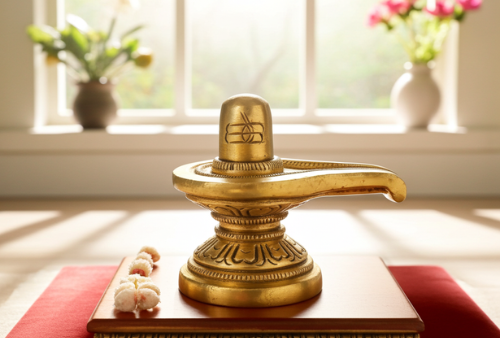
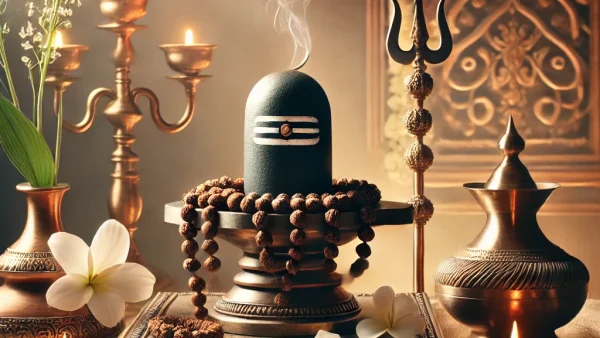
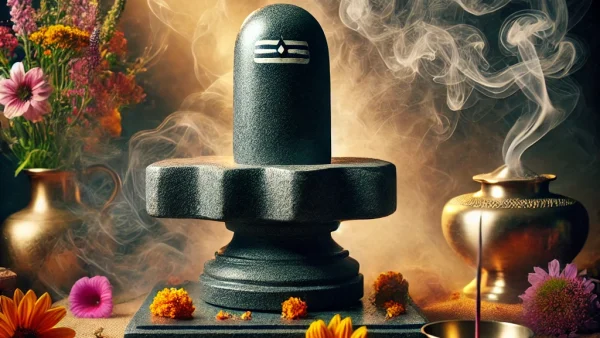
- Linga Worship (Pārthiva & Jyotir Linga): Central tantric symbol of Shiva-Shakti union. Detailed rules for construction, consecration (with Om Namah Shivaya), abhishekam (milk, bilva, panchamrita), and nyasa.
- Puja Methods: Panchopachara / Shodashopachara with mantras, mudras, yantras. Fire sacrifices (agnihotra), devayajna.
- Initiation (Diksha) & Vratas: Pashupata vrata, Shivaratri observance (4 prahars with specific offerings).
- Yoga & Inner Practices: Nyasa, mental worship, kundalini awakening hints, sannyasa rules.
- Bhasma, Rudraksha, Bilva: Sacred items with tantric potency.
Shaiva Agamas & Tantras The Companion Scriptures: The Purana explicitly references Shaiva Agamas (revealed directly from Shiva’s five faces: Sadyojata, Vamadeva, Aghora, Tatpurusha, Ishana). These are the primary tantric scriptures for temple architecture, rituals, and esoteric sadhana.
- Total: 28 Agamas (10 Shiva Agamas + 18 Rudra Agamas).
- Structure of Each Agama: Charya (conduct), Kriya (rituals), Yoga, Jnana.
- Famous Ones: Kamika Agama (detailed temple worship), Kirana, Mrigendra, etc.
- Tantras: Bhairava Tantras, Garuda Tantras flow from Shiva’s faces. They include mantra shastra, yantra, mudra, and advanced kundalini practices.
The Shiva Purana acts as the narrative and devotional companion to these Agamas explaining “why” while Agamas explain “how.” Together they form the complete Shaiva canon (alongside Vedas and Upanishads like Shvetashvatara).
Other related writings: Linga Purana (complementary), Skanda Purana sections, and later Shaiva Siddhanta texts.
Importance for Modern Devotees & How to Engage
- Daily Practice: Chant Panchakshari 108 times + offer water/bilva to Shiva Linga.
- Reading the Purana: Observe niyamas (brahmacharya, sattvic diet, no criticism). Best during Shravan or Shivaratri. Listen to katha or read English translations (Motilal Banarsidass 4-volume set or wisdomlib.org online).
- Benefits: Removes fear of death, grants health, wealth, and ultimate liberation.
In Sri Lanka’s rich Shaiva tradition from ancient temples to home altars the Shiva Purana reminds us: Mahadev resides in every heart. Recite, worship, surrender.
The Shiva Purana is not just a book it is Shiva’s own voice calling you home. Through its mantras that vibrate the cosmos, tantric rituals that awaken Shakti, and stories that mirror your soul’s journey, it leads from darkness to light.
May Lord Shiva’s Trishul cut your bonds, His Damaru awaken your inner rhythm, and His grace pour like Ganga upon your life.
Jai Shiv Shankar! Om Namah Shivaya!
Share this with fellow devotees. For personalized guidance, mantras, or temple recommendations in Sri Lanka, comment below or reach out at spiritualguru.lk.
Hara Hara Mahadev!
References drawn from original Sanskrit manuscripts, J.L. Shastri translation, and traditional Shaiva commentaries. All glory to the Guru Parampara.
Leave a comment